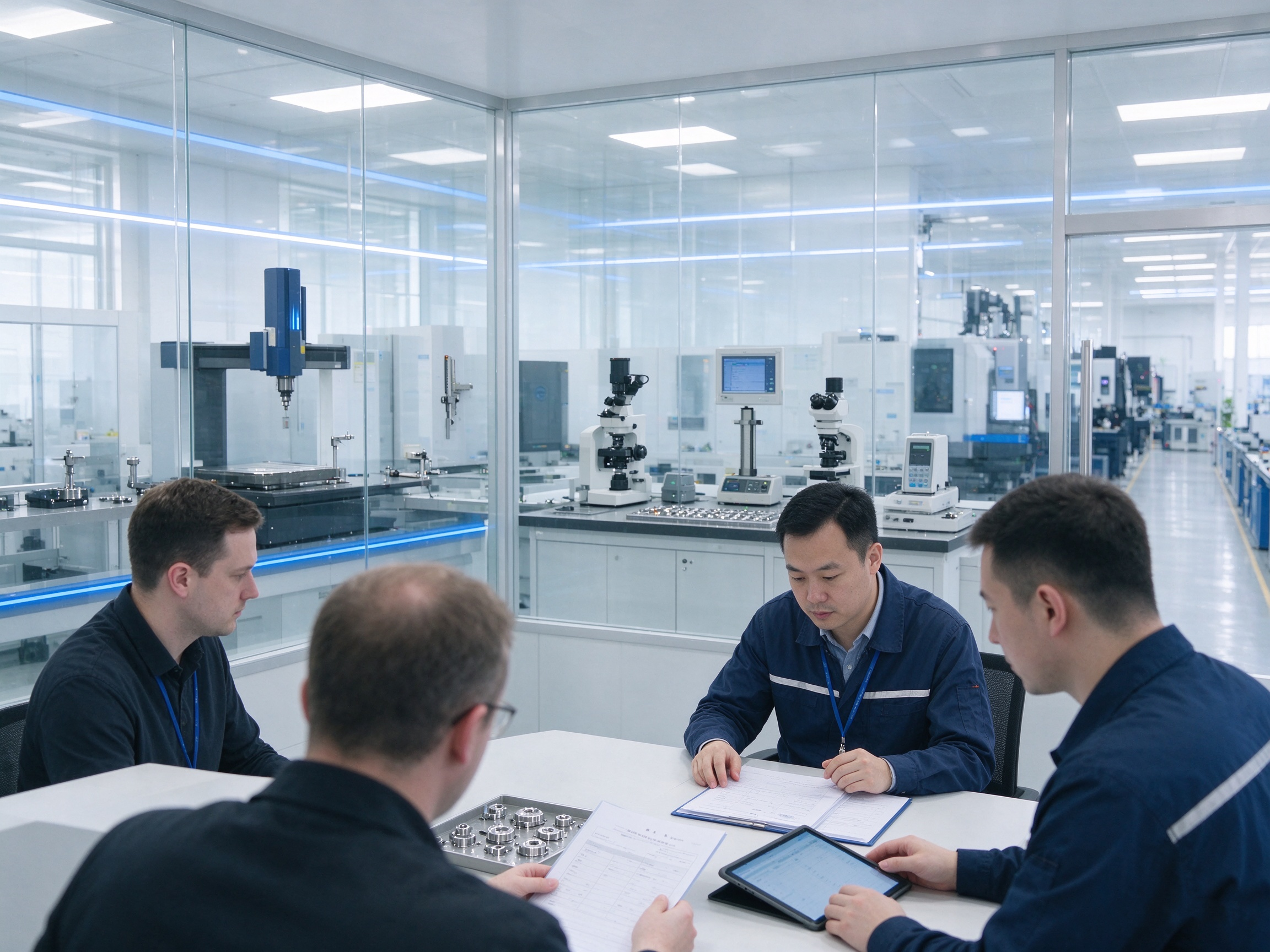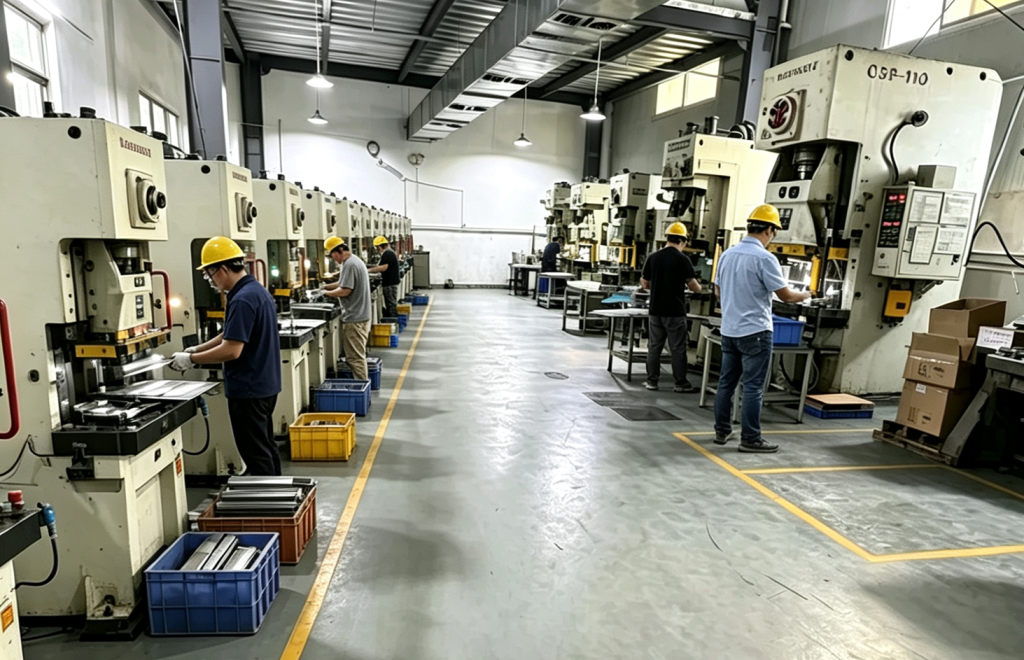
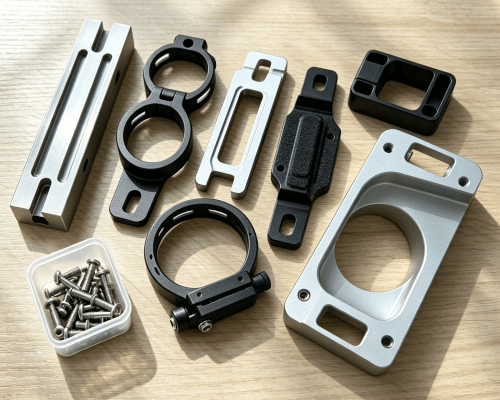
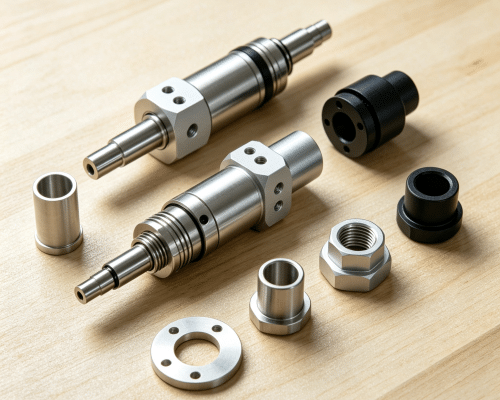
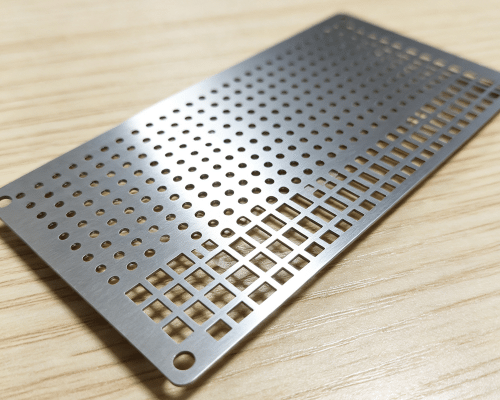
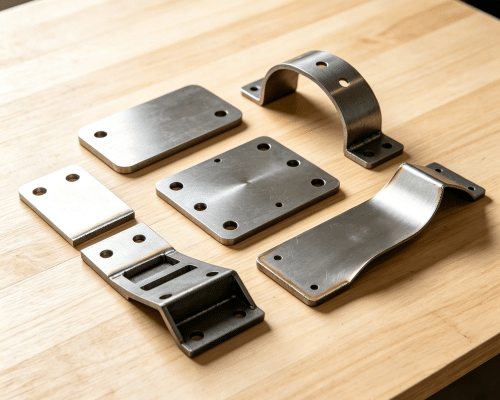
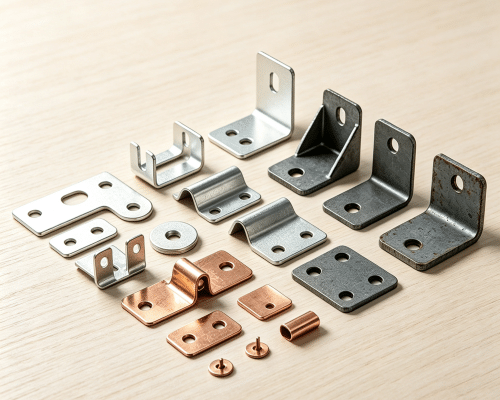
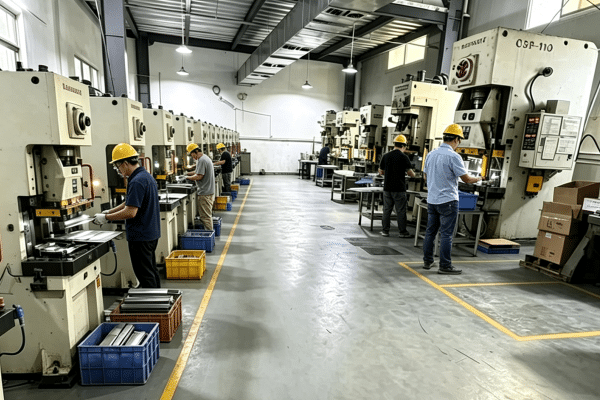
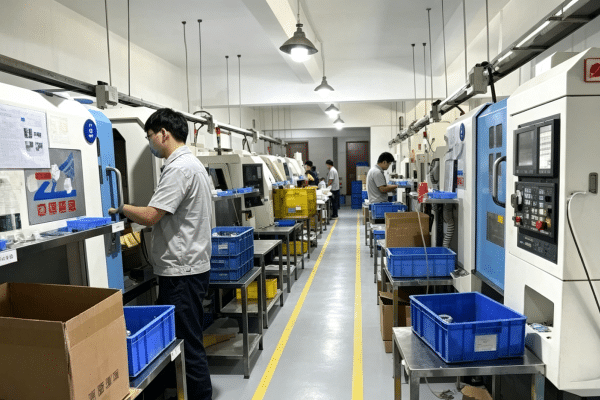
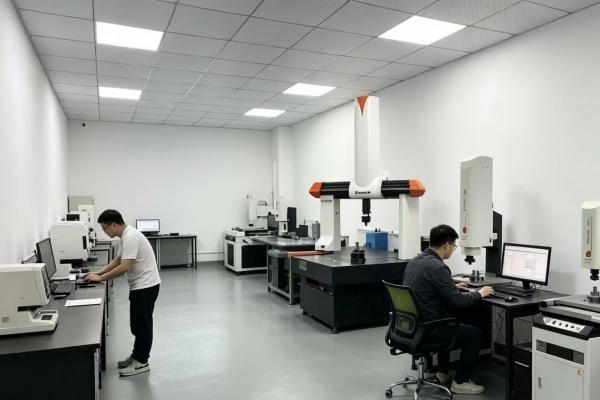
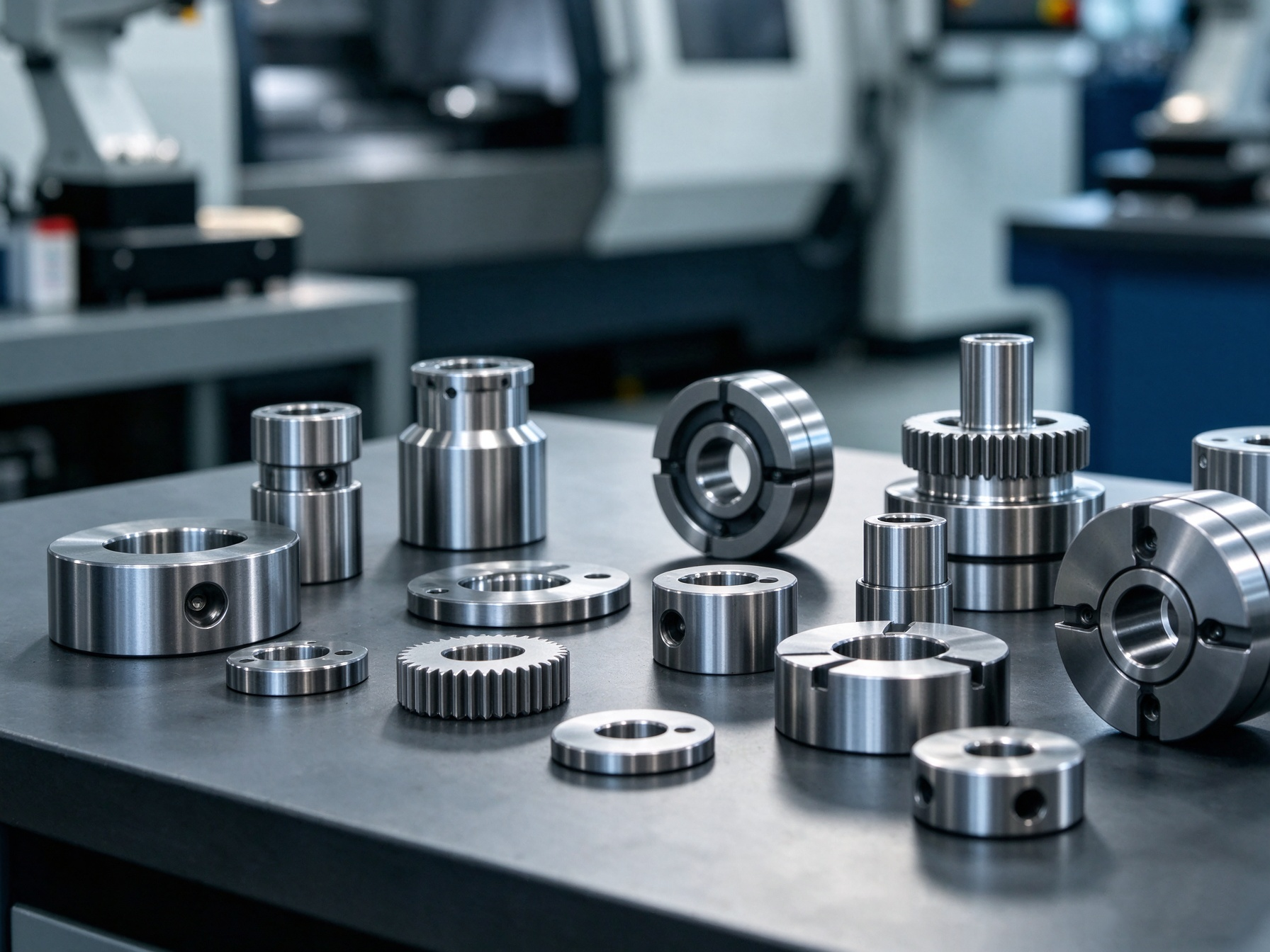
The Pearl River Delta remains a core hub for China’s precision metal manufacturing industry, with Dongguan, Zhongshan and Foshan standing out as key clusters for CNC machining, sheet metal, stamping and mould production. Europe, especially Germany and the Netherlands, new energy and industrial automation are the major growth tracks, while regulatory compliance, environmental performance and AI application are becoming critical competitive factors for manufacturers.
Market demand is showing obvious divergence. Low-margin standard parts continue to face fierce price competition. In contrast, high-value orders for energy storage, photovoltaic, new energy vehicle structural parts, automation equipment, medical components and aviation gas turbine small parts keep rising. Materials including 6061/7075 aluminium alloy, stainless steel, titanium alloy and beryllium copper see growing demand.
European buyers favour low-volume, high-mix precision CNC parts and injection moulds. They attach great importance to early DFM review, material traceability and complete inspection reports. EU supply chain compliance audits are advancing ahead of schedule. The Uyghur Forced Labour Prevention Regulation will be fully enforced by the end of 2027, raising export thresholds for small and medium-sized manufacturers.
Meanwhile, some mid-range orders are flowing back from Southeast Asia to China’s Pearl River Delta and Yangtze River Delta, due to unstable yield, lead time and supporting supply chains in Southeast Asia. European buyers now impose stricter requirements on quality consistency, documentation and traceability.
Machine tool data reflects the industry upturn. In H1 2026, China’s machine tool revenue hit RMB 530.9 billion, up 7.6% YoY. New orders for metal-cutting machine tools rose 20.5% YoY, and order backlog increased by 19.1%. Five-axis and high-precision equipment enjoys far faster order growth than standard three-axis CNC equipment, with domestic substitution accelerating.
New export declaration rules for lathes, milling machines and grinders under GAC Announcement No.77 of 2026 need close attention. Standard three-axis civil CNC machines can be exported with complete parameter, drawing and end-user declarations. Five-axis and ultra-high-precision machines (≤0.005mm) belong to dual-use items, requiring end-user certificates and official approval, which will extend lead times.
The Dongguan Machine Tool Exhibition will open in early November. Manufacturers in the precision machining sector plan to seize this opportunity to add new processing equipment and expand production capacity.